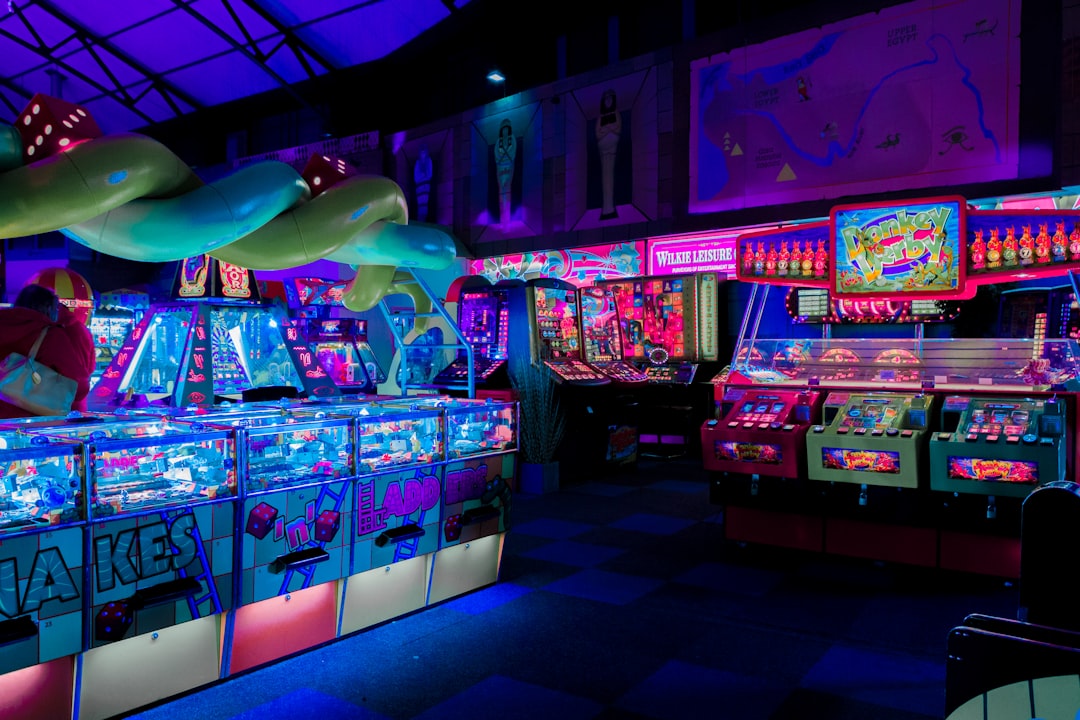
How the Future of Gaming Returns to Its Roots: Celebrating Classic Game Elements
By embracing nostalgia, modern titles and curated browser collections revive what made games timeless — simple mechanics, iconic aesthetics, and social hooks — to boost player engagement and discovery.
Introduction: Why Nostalgia Is a Design Weapon
What we mean by nostalgia in games
Nostalgia in games isn't just pixel shaders or chiptunes. It's a toolbox of mechanics, rhythms and social rituals that players remember from arcade halls, cartridge days and midnight LANs. Modern gaming teams are mining that toolbox to create titles that feel familiar and fresh at once. For a focused look at modern delivery and creator workflows that help vintage-inspired games reach players instantly, see how edge-first transfer workflows power creator-led drops and quick launches.
Why audiences respond
Psychologically, nostalgia triggers a safe, rewarding loop: recognition, mastery, social sharing. That's why retro aesthetics and callback mechanics produce stronger retention and virality than novelty alone. Measurement teams are taking notes; approaches from CX analytics show the importance of tracking sentiment alongside session metrics — learn more about measuring what matters in adjacent industries at practical analytics playbooks.
How this article is structured
We walk through the psychology, design patterns, platforms (especially browser games), community tactics, monetization and the hardware & creator tools that make a nostalgia-forward strategy work. Expect actionable examples, design templates, a detailed comparison table, and pro tips you can apply to curated game collections or your next dev jam.
The Psychology of Nostalgia and Player Engagement
Recognition as instant reward
Classic sprites, familiar UI layouts, and predictable feedback loops reduce cognitive load. Players get a dopamine hit from quick pattern recognition. Game designers intentionally reuse archetypes — for example, lane-based shooters or grid puzzles — because familiarity shortens the onboarding curve and increases time-to-fun.
Social memory and shared vocabulary
Nostalgia isn't private — it's communal. When a group recognizes a shared reference (think high-score rituals or “one-more-coin” instincts), retention and social sharing spike. Publishers blend old-school social mechanics with modern features like asynchronous leaderboards and clips optimized for platforms covered in pieces like creator-publisher ecosystems.
Designing for mixed emotions
Players love the warmth of retro markers but expect modern conveniences (autosave, accessibility). The best designs marry emotional resonance with modern reliability. For teams launching nostalgic browser experiences, technical strategies from edge-first delivery reduce load time friction — essential for keeping that emotional momentum.
Retro Aesthetics: Visual Language That Sells
Pixel art and minimalism
Pixel art isn't a limitation; it's legibility. Designers use reduced palettes and clear sprites to keep focus on gameplay. This aesthetic also speeds asset pipelines for indie teams and browser releases. Case studies from modern creators show how minimal visuals scale across devices while satisfying nostalgia-driven players.
Retro UI and affordances
Old HUDs and simple menus teach players what to care about. When teams borrow these affordances, they should modernize scaffolding (tooltips, accessibility modes). For creators who stream or sell physical tie-ins, design patterns from micro-showrooms and live demo flows in retail playbooks are useful; see micro-showrooms & live streams for merchandising inspirations.
Color, motion, and readable fonts
Retro palettes like neon-green-on-black signal “game” quickly. Motion cues that mimic CRT scanlines or simple bounce animations create a sense of weight and feedback. When packaging a nostalgic collection for a browser portal, those signals help with click-throughs and playlist curation.
Game Mechanics Reborn: Old Rules, New Twists
Core loop resurrection
Classic loops — collect, upgrade, survive — are resilient. Modern teams experiment by recombining loops with emergent systems: roguelike persistence on top of arcade scoring, or match-3 choreography with deck-building. The mix keeps the core feel while deepening long-term engagement.
Micro-skill ceilings and accessibility
Arcade-era games had high skill ceilings but clear rules. Modern designers replicate that clarity while adding assistive layers (aim assist, difficulty scaling). These enable broader reach without diluting the satisfaction of mastery.
Community mods, UGC and bug bounties
Giving players tools to tweak mechanics prolongs a title’s life. Learn from community programs such as Hytale’s bug bounty model and mod engagement to build sustainable mod ecosystems; read how mod and bug-bounty programs are reshaping devops at Hytale's community playbook.
Sound & Music: Chiptunes, Orchestration, and Memory
Why sound anchors nostalgia
A single arpeggio can evoke console nights like nothing else. Modern composers sample retro chips, then layer modern mixing and dynamic systems that react to play. This blend preserves memory while delivering emotional nuance.
Dynamic tracks and adaptive nostalgia
Adaptive music can transition from lo-fi chip sounds to fuller orchestrations as players progress. That design reinforces achievements and provides variety without losing the emotional thread.
Licensing and trailer craft
Marketing trailers that lean into nostalgic motifs perform well on streaming platforms. If you’re building creator content or using influencer clips, check best practices for using AI and short-form creative assets to maximize reach at AI creative playbooks (principles extend well beyond travel ads).
Browser Games Leading the Revival
Why browser is the perfect medium
Instant-play removes friction, which is crucial for nostalgia-based discovery. Players who click into a curated playlist should feel the immediate comfort of classic loops without downloads. Technical work on fast asset delivery and lightweight logic makes this possible; see modern creator delivery patterns at edge-first transfer workflows.
Curated collections and playlists
Curators craft journeys: arcade hits for quick sessions, longer retro-inspired quests for deep play. Curators also use limited-time events and promotions to spotlight collections — a tactic discussed in game deal roundups like limited-time promotion roundups which show how promo cadence increases traffic.
Performance and cross-device fidelity
Modern browser engines support WebAssembly and accelerated graphics, enabling richer retro aesthetics without sacrificing load times. Teams pairing optimized assets with responsive UI win higher retention and share rates.
Curated Game Collections & Playlists: How to Build Them
Curator role: taste, mechanics, and flow
Good curators balance emblematic classics with surprises. They design sessions (3–5 minute arcade loops, 20–40 minute narrative retrospectives) and label playlists so players know what experience they’re choosing.
Merch, drops and collector workflows
Nostalgia drives merch. Limited-run physical drops and collector workflows borrow tactics from streetwear's slow-drop culture — thoughtful scarcity that fuels desire. See how limited releases and creator commerce strategies have reshaped indie drops at slow-drop streetwear case studies.
Hybrid pop-ups, IRL events and digital crossovers
Combining an online playlist with offline activations (pop-up arcades, merch booths) deepens the emotional impact. Hybrid pop-up playbooks and collector event workflows give teams a template for converting short buzz into lasting community buy-in; a practical guide is available at hybrid-popups & collector workflows.
Multiplayer, Tournaments & Community Rituals
Arcade ladders and social rituals
High-score boards and party modes recreate the social rituals of arcades. Pairing this with modern features — asynchronous play, clip sharing, and community-built challenges — yields stickier ecosystems. Vertical-first overlay design patterns improve how these clips appear on stream; see vertical overlays for streamer-centric UX ideas.
Tournaments, leaderboards and live ops
Live operations borrow from incident-response playbooks: structured calendars, runbooks, and rapid containment for live issues. If you’re organizing weekend tournaments, treat them like micro-events with on-call plans inspired by operational field guides such as on-call war rooms.
Collectibles, NFTs and physical tie-ins
Collectibles — from trading cards to NFTs — offer tangible nostalgia anchors. Recent coverage on trading-card resurgence shows how performance and cultural moments can revive interest in collectibles, a model game teams emulate for limited digital assets: trading-card resurgence. For sustainable mint strategies, see boutique minting and packaging practices at boutique mints & sustainable packaging.
Monetization: Respecting the Past Without Selling It Out
Merch, drops and limited runs
Monetization tied to nostalgia works best when it enhances identity — limited apparel drops, curated physical editions, and premium soundtracks. Look at how slow-drop culture shaped desirability and how creators can adapt similar scarcity strategies: slow-drop strategies.
Fair monetization in browser games
Because browser players expect free access, monetization must be light-touch: non-intrusive cosmetics, event passes, and merch. Use promotions and timed deals to convert casual players into buyers; learn how promotions can be structured in recurring roundups like promotion roundups.
Collector economics and secondary markets
Collector markets (physical and digital) introduce long-tail revenue. Follow sustainable minting practices and collector workflows to avoid over-minting and dilution — resources for collector strategies are available at collector workflow guides and boutique mint best practices.
Tools & Hardware: Enabling the Retro Revival
Peripherals that amplify retro feel
Physical controls — compact arcade sticks, clicky keyboards with mechanical switches, classic gamepads — amplify nostalgia. Buyers researching peripherals should check hands-on reviews about switches and keycaps to match tactile expectations: mechanical switches & keycaps review.
Streaming gear and portable capture
If your playlist lives on social feeds, capture quality matters. Compact cameras and streaming tools optimized for creators help translate nostalgic visuals into shareable clips. For instance, the PocketCam Pro review shows practical tradeoffs for on-the-go capture suitable for indie streamers: PocketCam Pro hands-on.
Content delivery and technical ops
Delivering retro games to browsers at scale requires smart transfer and caching. Edge-first transfer patterns let curators and creators push updates quickly without long downtime — a pattern explored in creator delivery workflows at edge-first transfer workflows.
Marketing Nostalgia: Campaigns That Convert
Story-first trailers and creator partnerships
Marketing teams succeed when they pair evocative trailers with creators who already carry nostalgic credibility. Distribution deals and platform partnerships amplify these campaigns; the changing landscape of publisher-creator deals is analyzed in discussions like publisher-creator ecosystems.
Localization and micro-targeting
Retro references are culturally specific. Micro-localization (language, visual references, platform choices) improves resonance. Practical playbooks for micro-localization are available to teams that need to scale across markets: micro-localization playbook.
Cross-promotion, live events and retail tie-ins
Cross-promotions with limited drops, IRL pop-ups, and bundled merch extend a game’s lifecycle. Retail and showrooms that blend live streams and product imagery offer templates for turning digital buzz into sold-out events; learn more in the micro-showroom playbook at micro-showrooms & live streams.
Comparison Table: Classic Elements vs Modern Implementations
Below is a practical comparison to help curators, designers and marketers map old features to modern equivalents you can test quickly in browser playlists and releases.
| Classic Element | Modern Implementation | Player Benefit | Where to Apply |
|---|---|---|---|
| Arcade high-score | Asynchronous leaderboards + clip sharing | Competitive drive + social proof | Browser leaderboards, playlists |
| Pixel art | Scaled pixel shaders + layered lighting | Retro feel with modern polish | Curated collections, hero images |
| Chiptune themes | Adaptive tracks that expand dynamically | Emotional continuity + variety | Trailers, in-game adaptive soundtrack |
| One-coin continues | Time-limited retries or DLC-free assists | Monetization without gating core loop | Event promos, free weekends |
| Local 4-player matches | Remote party play with rollback netcode | Accessible social play across devices | Browser party rooms, tournaments |
| Collector cards | Limited physical/digital bundles with verified provenance | Collectability + resale value | Merch drops, hybrid pop-ups |
Pro Tip: When curating a playlist, test a short A/B slate: one list with pure retro signals and one with retro signals plus modern conveniences. Measure first-session retention and click-through — the tradeoff data will guide balance.
Practical Playbook: 10 Actionable Steps for Teams
1. Start with a small theme
Choose a coherent retro anchor (e.g., 16-bit platformers) and build a 5–7 title playlist. This creates a recognisable mood and lowers cognitive friction for players discovering your portal.
2. Prioritize quick load times
Optimize assets and use edge delivery to serve files fast. For developer and creator teams, edge-first strategies are a must; learn how creators use these patterns at edge-first transfer workflows.
3. Offer one modern convenience
Add a single meta-improvement (save states, accessibility toggle) so nostalgic players don’t get frustrated and leave after the first session.
4. Run limited promos
Time-limited visibility or merch drops increase urgency. Examples and cadence strategies are discussed in regular promotion roundups like promotion roundups.
5. Integrate creator capture tools
Make it easy to clip and share. Creator hardware reviews such as the PocketCam Pro review help teams recommend capture kits to streamers.
6. Offer small merch runs
Work with boutique minters and sustainable packagers to issue physical editions or limited cards — good references include boutique mint and collector guides at boutique mint best practices and hybrid pop-up playbooks at collector workflows.
7. Localize with cultural care
Use micro-localization tactics to ensure references land. Practical playbooks are available at micro-localization playbook.
8. Lean into community-driven content
Promote mods, challenges and leaderboards. Reference dev-community programs like bug bounties and mod support from modern case studies at Hytale's mod & bounty lessons.
9. Measure what matters
Track sentiment and repeat sessions as much as raw installs. Cross-industry analytics frameworks help with measurement choices; check analytic playbooks such as CX analytics frameworks for ideas on metric design.
10. Iterate with creator feedback
Creators and streamers are the fastest feedback loop for nostalgic resonance. Partnerships and platform deals can amplify your reach — see how publisher-creator dynamics are shifting at creator & publisher ecosystems.
Case Studies & Real-World Examples
Collector-driven launch
A boutique indie ported a classic arcade title to the web and tied it to a limited physical card run. They used slow-drop tactics borrowed from apparel drops and hybrid events to sell out the first run quickly; the strategy mirrors what creators learned from the slow-drop streetwear movement (slow-drop analysis).
Creator-led discovery
An editorial team curated a retro playlist and paired it with creator kits (hardware bundle recommendations based on mechanical switch reviews) to increase shareability. The hardware guidance referenced detailed switch reviews to match expected haptics (mechanical switches & keycaps).
Mod community revival
A small studio launched a mod-friendly browser port and ran a bug-bounty + mod contest. The structural lessons came from robust community programs and devops lessons in mod management (mod & bounty playbook).
Conclusion: Nostalgia as a Sustainable Design Principle
Not a gimmick, but a design lens
Nostalgia works because it foregrounds clarity, rhythm, and social patterns. When applied thoughtfully, these elements can lift discoverability, retention, and monetization for browser-first experiences and curated collections alike.
Key takeaways
Marry retro feel with modern conveniences, instrument your metrics, and partner with creators for maximum impact. Use edge delivery, creator tools, and thoughtful merchandising to convert short-term interest into durable communities.
Next steps for teams
Run a 30-day experiment: create a 5-title nostalgic playlist, add one modern convenience, run a targeted promo, invite 3 creators to stream, and measure retention and social shares. Use the templates and references provided above to reduce ramp time and optimize results quickly.
FAQ
1. What defines a "nostalgic" game element?
Nostalgic elements include aesthetic markers (pixel art, chiptune), mechanical templates (arcade scoring, lives), and social rituals (local multiplayer, high scores). These elements have recognisable affordances that prompt immediate player understanding.
2. Can nostalgia hurt modern game design?
Yes — if nostalgia becomes a crutch. Bad nostalgia repeats old frustrations (unfair difficulty, poor UX). The right approach preserves the emotional core while removing unnecessary friction.
3. Are browser games the best place for retro revivals?
Browser games are ideal for discovery and low-friction sampling. They're especially powerful when backed by fast delivery and curated playlists that make the journey effortless.
4. How should small teams handle merch and collector drops?
Start small, time promotions deliberately, and partner with experienced minters or local pop-up vendors. Look to hybrid pop-up workflows and boutique mint guidelines for practical steps to avoid overcommitment.
5. Which hardware should creators recommend for streaming retro titles?
Recommend compact capture tools and peripherals with tactile feedback. Reviews of mechanical switches and compact cams (like the PocketCam Pro) provide useful procurement guidance for creator bundles.
Related Reading
- Enchanting 101: Maximize Your Gear - Practical mechanics and progression strategies developers can adapt from RPGs.
- Soundtrack Your Calm - How music crafts emotion; valuable for adaptive soundtrack design.
- Printed Manuals That Reduce Tech Returns - Practical documentation tips that apply to physical game bundles and manuals.
- 5G & Matter-Ready Smart Rooms - Ideas for high-fidelity live demo spaces and pop-up tech integrations.
- Mitski-Inspired Road Trips - A creative example of music-driven mood curation you can adapt for playlist storytelling.