Lost months of island work? Here’s your playbook to rebuild it better — and keep it safe, shareable, and preserved.
We all know the sting: a beloved Animal Crossing island — painstakingly terraformed, decked with inside jokes, and curated over years — disappears from public view. In late 2025 a high-profile adults-only island was removed by Nintendo, reminding creators that even long-lived community landmarks can vanish overnight. If you’re facing an island rebuild after deletion, or you want to recreate a lost landmark with a safer, community-friendly spin, this guide gives you a practical, step-by-step ACNH design and preservation plan rooted in 2026 trends, creator tips, and concrete tools like Splatoon items, Lego furniture, and the new hotel build opportunities from the 3.0 era.
Why rebuild — and why now (2026)?
Short answer: players crave instant, safe, and shareable moments. By 2026, community standards and platform moderation are stricter across gaming spaces. Nintendo’s 3.0 update (released in 2025–2026) introduced new assets like Splatoon furniture, Lego furniture, and the Kapp’n family hotel build — tools that let you recreate or reimagine lost islands faster and more tastefully. Rebuilding isn’t just restoration; it’s an opportunity to future-proof your work with preservation strategies and community-friendly design.
Fast wins you can do within a weekend
- Publish a Dream Address early so fans can visit a placeholder version.
- Make a curated photo & video archive (screenshots, clips, short guided tour) and upload it to YouTube and an archived thread on your community hub.
- Map your island blueprint with a planning tool (see tools section) so you can pick up terraforming where you left off.
Step-by-step island rebuild plan (actionable)
This is the core rebuild roadmap. Follow it from planning through preservation, with specific ACNH design tips and creator tips for community safety and longevity.
1. Audit: What survived and what’s gone
- Collect existing assets: screenshots, video, DIY pattern codes, villager list, furniture lists, and custom QR/Design IDs you or visitors saved.
- Ask the community: crowdsource screenshots and anecdotes. Fans often have high-res photos or clips you missed.
- Create a master list: separate core landmarks (must-keep), nice-to-have items, and things you’ll retire or replace for safety.
2. Re-theme with safety and stewardship in mind
Instead of a literal recreation of controversial content, choose a theme that preserves the spirit while aligning with community standards. Here are tasteful alternatives that honor the original’s vibe without crossing lines:
- Nostalgia Park — Keep key silhouettes and signage, but turn suggestive elements into humorous retro ads, playful sculptures, or abstract art pieces.
- Modern Art District — Repurpose provocative shapes into “interactive installations” with guided descriptions and audio tours.
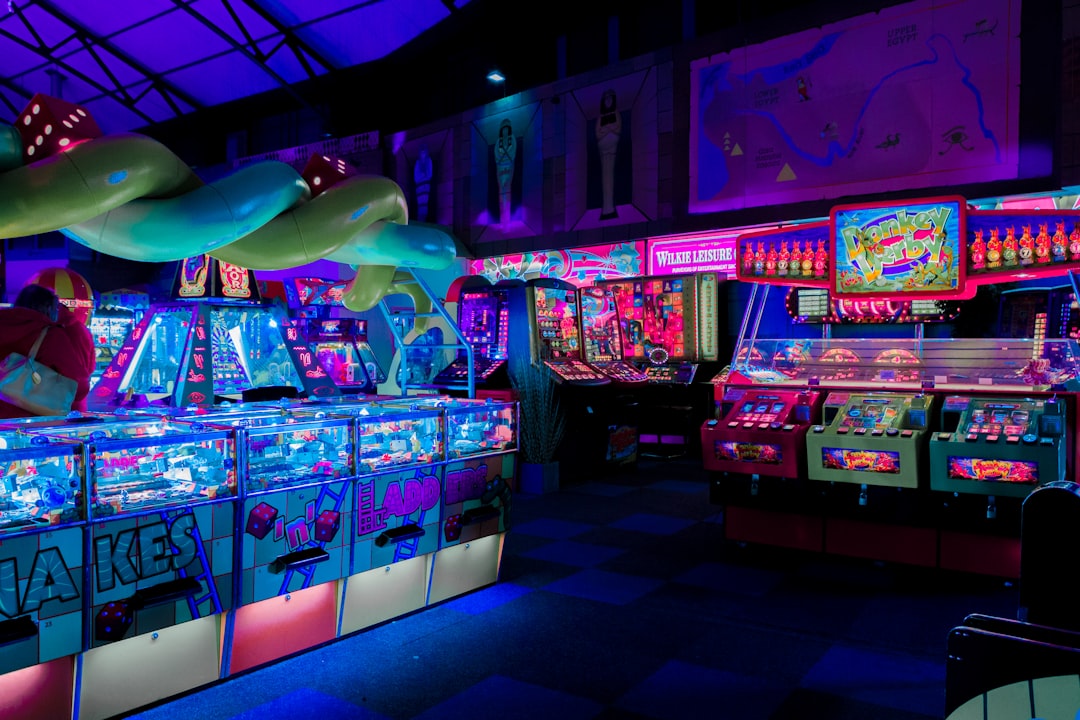
- Retro Game Arcade + Hotel — Use Splatoon furniture and Lego furniture to build an arcade and a boutique hotel inspired by Kapp’n’s family hotel, giving visitors places to sleep and explore.
- Heritage Preserve — Recast the island as a living museum that documents the original island’s history and the community’s story, with content warnings and contextual plaques.
3. Blueprint and zoning (get your map right)
Map zones for accessibility and experience flow. Use this basic blueprint template:
- Arrival plaza (Dream Address portal & visitor rules)
- Main landmark / museum (photo ops & history)
- Hotel district (Kapp’n hotel-inspired build with rooms for roleplay)
- Entertainment arcade (Splatoon-themed rooms, mini-games)
- Botanical & chill spaces (villager houses & quiet zones)
- Preservation archive (screenshots, timestamps, creator notes)
4. Asset strategy: Scouting items you’ll need
Leverage 2026 ACNH content to recreate the atmosphere quickly and authentically:
- Splatoon items — Unlock via Amiibo (post-3.0 workflows). Great for arcade walls, ink-splatter art, and neon signage. Use them as bold focal pieces in entertainment zones.
- Lego furniture — Available via the Nook Stop in 3.0. Perfect for playful, modular furniture that reads as family-friendly reinterpretations of older props.
- Hotel build components — Use Kapp’n hotel elements to create rentable rooms, a lobby with staff NPCs, and in-game events like check-ins or mini-concerts.
5. Terraforming & design mechanics
Terraforming is the biggest time sink. Follow these tactical steps:
- Start from the rivers: carve out the main flow first so paths and bridges make sense.
- Use symmetry sparingly — asymmetry makes islands feel organic, but retain a recognizable silhouette to echo the original landmark.
- Layer custom designs for depth: use patterns as posters, tilework, or mural backdrops. Keep pattern libraries documented.
- Build vertical interest: terraces, rooftop gardens, and multi-level hotel balconies make the island feel larger.
6. Villager casting & roleplay elements
Villagers are characters in your world. Cast them to support your theme:
- Curators for museums, staff for hotels, bartenders for arcades, gardeners for botanical zones.
- Use amiibo invites or campsite swaps to rehome villagers that fit the story.
7. Community safety and moderation
Protect your island and visitors by setting clear expectations:
- Publish a simple visitor code of conduct in your Dream Address description and any social posts.
- Use staged access: open to Dream visitors first, then to online play-by-invite with volunteer curators who can monitor live visitors.
- Age gating: clearly label content and, if needed, restrict active multiplayer sessions to trusted community members. For public viewing, keep Dream version PG-rated.
8. Preservation plan (don’t let it vanish again)
Think of preservation as version control for art:
- Create a documented archive: screenshots (wide and detail), walkthrough videos, item lists with purchase sources, and a written timeline of changes. Consider a portable preservation lab workflow for on-site capture if you do IRL shows or meetups.
- Share on multiple platforms: upload to YouTube (walkthrough), Imgur/Dropbox (image archive), and a pinned thread on your Discord or Reddit.
- Publish a downloadable island blueprint and a Creator Tips manual (DIY codes, Lua-style step lists for terraforming) so future builders can reconstruct the island.
- Consider cross-platform mirroring: rebuild the landmark as a stylized map in Minecraft, The Sims, or as a real-world LEGO layout to preserve the memory outside of Nintendo’s ecosystem. For printed keepsakes and zines, services like modern event printers can help produce a printed coffee-table zine.
Practical tools & resources (creator tips)
Use these modern tools and workflows popular in 2026 to speed up your ACNH design process and preservation:
- Island planner apps — Online grid planners let you sketch layouts, place bridges, and export blueprints. Save versions with timestamps.
- Pattern libraries — Centralize custom design IDs in a public Google Sheet or Notion with thumbnails and usage notes.
- Capture & editing — Use Switch capture or a capture card to record 1080p walkthroughs. Add voiceover context describing what each area meant to the original.
- Community hubs — Host an archival channel on Discord and a dedicated thread on Reddit. Tag posts with consistent naming like “IslandName — Archive — v1.0 (2026)”.
Design recipes: three safe reimagines inspired by the infamous island
Below are three concrete, plug-and-play design recipes that preserve the creative spirit while avoiding problematic content.
Recipe A: Retro Arcade Hotel (Family-friendly)
- Theme: Retro neon, ticket booths, claw machines (use Splatoon neon and Lego vending props)
- Key areas: Arcade alley, hotel lobby with check-in minigame, rooftop cinema
- Assets: Splatoon furniture for neon signage; Lego furniture for quirky seats and blocky kiosks
- Visitor flow tip: Offer a guided tour that ends in a photo-op balcony lit with custom designs
Recipe B: Heritage Preserve (Contextualized history)
- Theme: Museum vibe that documents the old island, includes plaques and an oral-history kiosk (record audio tours)
- Key areas: Archive room, curator’s office, public reading garden
- Assets: Soft lighting, muted palettes, Lego furniture for display podiums
- Preservation tip: Add an in-game logbook (a nook/pattern board) that explains sensitive elements with clear content warnings
Recipe C: Whimsical Garden Resort (Soothing)
- Theme: Pastel gardens, tea houses, koi ponds
- Key areas: Tea house (roleplay), meditative path, small open-air stage for community events
- Assets: Lego furniture for playful garden benches, minimal Splatoon accents for color pops
- Event tip: Schedule weekly guided meditative tours and invite fans to contribute a planted tree as a legacy marker
Community-sharing strategies: get credit and avoid re-removal
Your island’s longevity depends on how you present it to the wider community and how well you document the intent.
- Always include a short curator note in your Dream Address that states the island’s purpose, age rating, and content warnings.
- Use video walkthroughs as canonical records. A timestamped YouTube playlist is a strong archival format that’s easy to share.
- Tag your posts with searchable keywords (island rebuild, ACNH design, creator tips) so archives are discoverable years from now.
- Work with volunteers to moderate public play sessions — community stewards can help protect the island’s tone and prevent problematic edits during live visits. Consider organizing those volunteers via short-form planning sessions or micro-meetings as part of a stewarding schedule.
Legal & platform considerations (what to watch for in 2026)
Platforms tightened rules in late 2025–2026. Keep these simple guardrails in mind:
- Respect Nintendo’s community guidelines — avoid explicit content and bypasses that were central to the adult-only island’s removal.
- Don’t monetize questionable content in ways that violate platform policy (no paywalls that encourage sharing of explicit material).
- Attribute collaborators and respect IP — using Splatoon and Lego-themed items is fine in-game, but avoid distributing copyrighted assets externally without permission.
Case study: what we learned from the Adults’ Island removal
"Nintendo, I apologize from the bottom of my heart... Rather, thank you for turning a blind eye these past five years." — island creator, on X (late 2025)
The adult-only island’s removal was a wake-up call but also a lesson in gratitude and stewardship. The creator thanked the community for years of visits — and that’s the core takeaway: community memory is the real legacy. When a platform removes content, archived memories (screenshots, walkthroughs, community stories) keep the cultural artifact alive. Rebuild with that memory front-and-center: document, share, and adapt.
Beyond rebuilding: how to keep your island relevant in 2026+
- Host quarterly updates: small seasonal changes keep the island fresh and encourage repeat visits.
- Offer workshops or livestreams where you show your terraforming process — fans love behind-the-scenes access.
- Curate a public playlist of visitor-created screenshots and short clips to feature newcomers and keep the community engaged.
- Consider a physical preservation project: a LEGO reproduction, a printed coffee-table zine, or a mini art book documenting the island’s evolution.
Quick checklist before public relaunch
- Dream Address published and labelled with age rating and visitor rules
- Documentation archive uploaded (video + image + blueprint)
- Volunteer curators assigned for live visits
- Preservation pack (pattern IDs, item list, villager list) shared publicly
- Cross-platform mirrored project (Minecraft or LEGO) in progress
Final thoughts — rebuild with respect, preserve with care
Rebuilding a deleted island in 2026 is more than recreating pixels; it’s about stewarding a shared memory and designing experiences that welcome everyone. Use the new assets from ACNH’s 3.0 era — like Splatoon items, Lego furniture, and hotel builds — to reimagine a landmark that’s safer, more shareable, and harder to lose. Document your process, involve your community, and treat preservation like an art form.
Ready to rebuild? Start with a one-week sprint: draft your blueprint, gather your must-have items (note which require Amiibo or Nook Stop access), and record a 3-minute walkthrough. Publish the Dream Address when the island has its arrival plaza and visitor guidelines — then invite your community to help finish the rest. You’ll recapture the original’s spirit while building something the whole community can enjoy and preserve.
Call to action
Have an island to rebuild or a preservation idea? Share your Dream Address or blueprint in our creator hub, submit your best before/after screenshots for our curated playlist, and join our weekly design workshop to get hands-on help from veteran ACNH builders. Let’s rebuild, document, and protect our favorite virtual spaces—together.
Related Reading
- Field-Tested: Building a Portable Preservation Lab for On-Site Capture — A Maker's Guide
- Design Your Own Souvenir: Using Budget 3D Printers to Prototype Park Merch
- Beyond Filing: The 2026 Playbook for Collaborative File Tagging, Edge Indexing, and Privacy‑First Sharing
- Edge-Powered Landing Pages for Short Stays: A 2026 Playbook to Cut TTFB and Boost Bookings
- Student Tech Bundle: Best Discounts on Mac mini, Chargers and VPN for Uni Life
- Patch 1.03.2 vs Community Feedback: Are FromSoftware's Buffs Enough?
- Cost Modeling: When to Use Quantum vs Classical Compute for AI Workloads
- Telecom Outage Risk: Pricing the Cost of Downtime for Brokerage Platforms
- How CBS and Streaming Platforms Are Changing the Way Women’s Sports Get Televised